This guide is your practical, roadmap to vendor selection in construction covering everything from prequalification and tendering to negotiation, quality verification, bulk buying, and all you need to know in 2026.
I have managed construction projects across Nigeria as an architectural technologist and project manager and I will tell you this plainly: the projects that finish on time and on budget share one common trait; their vendor selection process was deliberate, structured, and non-negotiable.
This guide is your practical roadmap to vendor selection in construction covering everything about how to source and buy building materials in Nigeria in 2026. The guide focuses entirely on procurement and vendor management. For the full construction process, see our step-by-step house building guide.
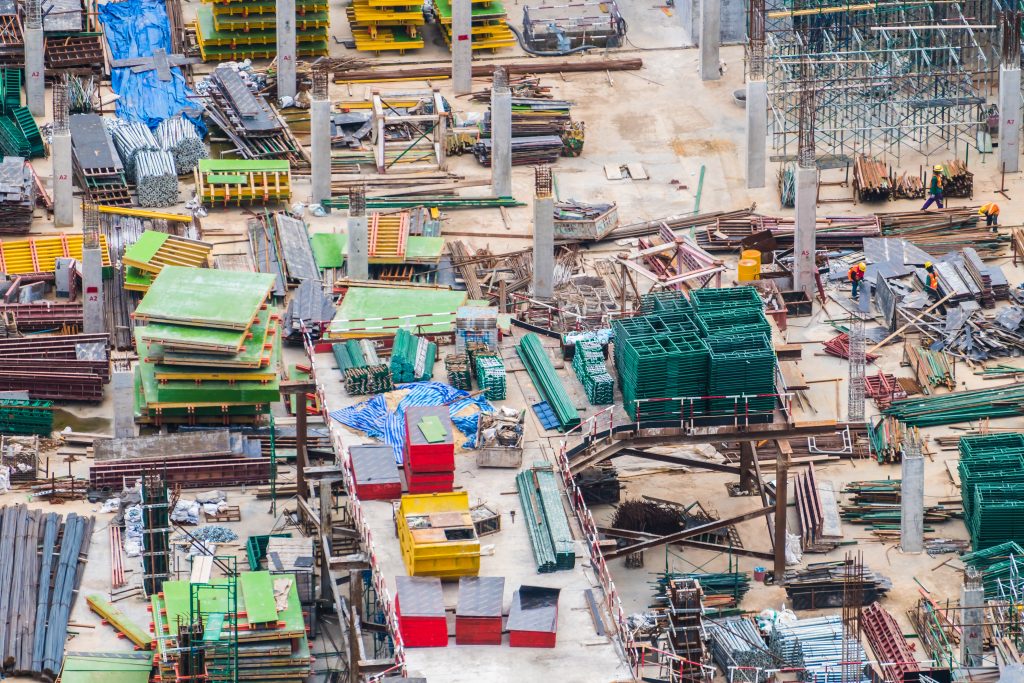
Here is the honest reality: procurement in construction in Nigeria does not operate like it does in the UK, Canada, or Singapore. The variables are different. Inflation shifts cement prices month to month. The supply chain has layers. The manufacturers, importers, middlemen, and roadside resellers. Each with their own pricing and quality standards. Road infrastructure can add unpredictable delays to deliveries. And counterfeit materials? Still a very real risk on Nigerian sites today.
Research on sub-Saharan construction projects consistently shows that over 60% of schedule delays trace back to procurement failures such as wrong vendors, unreliable supply chains, or poorly structured contracts. This is preventable.
Before any supplier gets your purchase order, they go through prequalification. Think of it as the audition round. Most vendors will apply, but only the disciplined, capable ones make the shortlist. This is the single most effective thing you can do to protect your building materials procurement in Nigeria from bad actors.
| Prequalification Criteria | Minimum Requirement | Instant Red Flag |
|---|---|---|
| Business Registration | Active CAC certificate | Expired, missing, or “pending” docs |
| Quality Certification | SON-certified or ISO-verified | No certification; verbal assurances only |
| Financial Capacity | 6-month bank statement | Demands 100% upfront with no track record |
| References | 3 active, contactable references | Vague or unverifiable references |
| Delivery Logistics | Owned trucks or confirmed 3PL partner | “We will sort it out” — no specifics |
| Pricing Transparency | Itemized written quotation, dated | Oral quotes; prices “subject to change any time” |
The tendering process for construction in Nigeria is where you invite competition and protect your budget. Skipping it in favour of a quick phone call is where most procurement disasters begin. Here is a clean workflow that works at most project scales:
From the field: The single habit that has saved more projects in my career than any software tool; never issue a verbal purchase order. If it is not in writing, it did not happen. Full stop.
ALSO READ: 20M Naira House: Is Building a House on a Budget in Nigeria Actually Possible?
One of the most frequently argued questions in material procurement for building projects in Nigeria is whether to go local or import. The honest answer: it depends on the material category. Here is a clear comparison to guide your decision:
| Factor | Local Suppliers | Imported Materials |
|---|---|---|
| Unit Cost | Lower — no import duty | Higher — forex + clearing fees |
| Lead Time | Days to weeks | Weeks to months + port delays |
| Quality Consistency | Variable — verify SON certification | Generally more consistent; ISO-verified |
| Supply Reliability | Depends on local production capacity | Subject to port congestion and customs |
| Relationship Building | Easier long-term partnership | Mostly transactional |
| Best Suited For | Cement, blocks, sand, granite, timber | Smart home tech, lifts, specialty fittings |
My recommendation? For structural materials like cement, reinforcement rods, concrete blocks, buy local from SON-certified building materials suppliers and run your own quality checks. For specialised or smart building components, import early, plan for port delays, and factor the landed cost into your budget from day one.
In 2026, inflation continues to affect building materials procurement strategies in Nigeria more than almost any other factor. Cement prices have been volatile. Reinforcement rod costs swing with scrap metal and energy prices. The smart response is strategic bulk procurement but only if you execute it correctly.
ALSO READ: Cement Price in Nigeria Today
Negotiation is not confrontation. In Nigerian construction supply markets, it is the expected part of the process. If you are not negotiating, you are leaving money on the table.
Counterfeit building materials are not a myth. They are an active problem on Nigerian construction sites. Blocks that crumble under load. Cement with PSI ratings that do not match the bag. Hollow reinforcement rods passing visual inspection. Here is how to protect yourself through proper quality verification when selecting a dealer for your building materials procurement during construction in Nigeria.
Even excellent vendors can become difficult partners if the contract and payment structure are sloppy. Supplier management in construction requires the same rigour after the PO is signed as before it. Here is what a clean setup looks like:
Before any vendor gets approved for your project, run through this. It takes under an hour and prevents months of avoidable problems and it covers both cost-effectiveness and basic sustainability considerations now expected on international-standard builds.
What are the key criteria for vendor prequalification in construction projects?
Business registration, quality certification (SON/ISO), financial stability, delivery logistics, verifiable references, pricing transparency, and a signed commitment to your quality inspection policy. Any vendor that resists any of these is telling you something important.
What factors cause procurement delays in Nigerian construction?
The main culprits: informal verbal agreements, late or disputed payments halting supply, poor vendor vetting leading to underperforming suppliers, port congestion for imported goods, and inflation-driven price renegotiations mid-project. Every one of these is preventable with proper planning.
How does inflation affect material procurement strategies in 2026?
Lock prices in early with price validity clauses in your supply agreements. Order key structural materials ahead of peak construction periods. Split bulk orders across multiple verified suppliers. Always carry a contingency budget about 10–15% is prudent in 2026 market conditions.
How do I verify SON or ISO certifications for building materials suppliers in Nigeria?
Request the original certification document and not a scan or photocopy. Cross-check the certificate number on the Standards Organisation of Nigeria’s official website or contact SON’s Abuja headquarters directly. For ISO, verify through the issuing certification body’s public registry online.
Should I buy local or imported building materials in Nigeria?
For core structural materials, cement, reinforcement rods, blocks, buy local from SON-certified suppliers and run your own batch tests. For specialty and smart building components, import from verified international suppliers, factor in lead times of 6–12 weeks, and order well ahead of need.
What is the best way to handle bulk procurement for cement and rods in Nigeria?
Lock in price validity clauses (30–90 days), secure dry covered storage before ordering, split orders across 2–3 suppliers, and tie payments to delivery milestones. For rods, always request mill certificates from the manufacturer to confirm steel grade.
Procurement in construction in Nigeria is not paperwork. It is strategy. The vendors you select, the contracts you sign, the quality checks you insist on. These decisions determine whether your building project delivers on its promise or becomes an expensive lesson nobody wanted to learn.
Done right, a structured vendor selection process for construction gives you cost control, schedule predictability, and quality you can stand behind. Done carelessly, it is the reason the project is six months late and your client has stopped returning calls.
You can do this well. And if you want professional support doing it from procurement strategy to full construction project management that is exactly what Buildtracka Integrated Services exists to provide.
Need a construction project manager in Abuja?
Buildtracka Integrated Services provides procurement strategy, vendor selection, and end-to-end construction project management across Nigeria. We also help clients identify and engage the right architect for their project. Talk to Buildtracka