Labour is where most Nigerian construction budgets get eaten alive. Here's every trade rate, bricklayers, tilers, electricians, by city and house type (2026).
Let me tell you something. Every Nigerian who has ever tried to build a house eventually gets surprised when they’re been told the Labour Cost for Building a House in Nigeria 2026. Not because it’s outrageously high, but because nobody ever tells you the full picture upfront.
With this guide, I’m going to walk you through exactly what the labour cost for building a house in Nigeria 2026 looks like. From foundation to finishing broken down trade by trade, city, and house type. No sugar-coating. Just the real numbers.
As an architectural technologist and project manager with years of hands-on experience across residential projects in Owerri and Abuja, I’ve seen the numbers from both sides of the table. Through my firm, Buildtracka Integrated Services, a construction project management company based in Abuja, we help clients budget smarter, hire better, and build without the expensive surprises.
So, grab a drink. Let’s talk labour costs in full details.
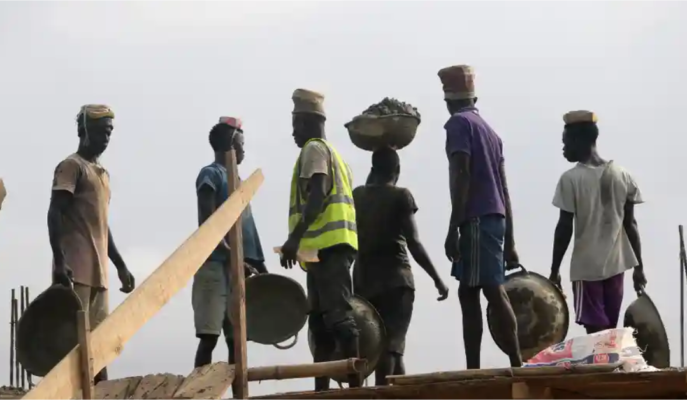
The first thing to understand is that there is no single, universal rate for construction labour in Nigeria. The cost depends on:
In 2026, inflation, fuel costs, and rising material prices have all pushed labour rates up significantly compared to even two years ago. But the good news is this; If you understand the system, you can still manage your construction labour budget for a house in Nigeria without getting played.
Let’s start with the basics. What are you actually paying per day, per worker?
| Trade / Skill | Daily Rate (Low) | Daily Rate (High) | Notes |
|---|---|---|---|
| Mason / Bricklayer | ₦10,000 | ₦18,000 | Higher in Lagos & Abuja |
| Unskilled Labourer | ₦5,000 | ₦8,000 | Sand carrying, mixing, etc. |
| Carpenter (framework) | ₦10,000 | ₦22,000 | Roof & formwork carpentry |
| Electrician | ₦12,000 | ₦25,000 | Per day on-site |
| Plumber | ₦10,000 | ₦22,000 | Installation & piping |
| Tiler | ₦12,000 | ₦18,000 | Rate varies by tile type |
| Painter | ₦10,000 | ₦14,000 | Emulsion vs. gloss rates differ |
| Site Supervisor / Foreman | ₦15,000 | ₦35,000 | Monthly salary also common |
| Iron Bender / Rod Fixer | ₦12,000 | ₦18,000 | For columns & beams |
| Plasterer | ₦10,000 | ₦16,000 | Internal & external walls |
Rates as of Q1 2026. May vary by state, season, and project size.
These are typical daily rates across Nigeria. Rates in Lagos and Abuja can run 20–40% higher than in smaller cities like Kano, Enugu, or Owerri.
If you ask how much to pay a mason per day in Lagos in 2026 versus Abuja or Port Harcourt, the answer will be different. Here’s the city-by-city comparison:
| Trade | Lagos | Abuja | Port Harcourt | Other Cities |
|---|---|---|---|---|
| Mason / Bricklayer | ₦14,000–₦18,000 | ₦12,000–₦18,000 | ₦11,000–₦16,000 | ₦10,000–₦12,000 |
| Carpenter | ₦16,000–₦22,000 | ₦14,000–₦20,000 | ₦13,000–₦19,000 | ₦10,000–₦16,000 |
| Electrician | ₦18,000–₦25,000 | ₦15,000–₦22,000 | ₦14,000–₦20,000 | ₦10,000–₦16,000 |
| Plumber | ₦16,000–₦22,000 | ₦14,000–₦20,000 | ₦13,000–₦18,000 | ₦10,000–₦15,000 |
| Unskilled Labour | ₦6,000–₦8,000 | ₦5,000–₦8,000 | ₦5,000–₦7,000 | ₦5,000–₦6,000 |
The difference between labour cost in Lagos and Abuja in 2026 is real but not dramatic. Abuja often competes with Lagos on rates because of its high cost of living and the consistent demand for skilled workers on government and commercial projects.
Now let’s get to the question you’ve probably been searching for: how much does labour actually cost to build a full house?
A standard 3-bedroom bungalow in Nigeria typically covers about 120–150 sqm. Here’s a rough labour-only cost breakdown:
| Work Stage | Estimated Labour Cost |
|---|---|
| Foundation & Earthworks | ₦350,000 – ₦600,000 |
| Block Work / Brickwork | ₦500,000 – ₦900,000 |
| Roofing Carpentry & Ironwork | ₦450,000 – ₦800,000 |
| Electrical Wiring | ₦350,000 – ₦650,000 |
| Plumbing Installation | ₦250,000 – ₦500,000 |
| Plastering (internal & external) | ₦350,000 – ₦650,000 |
| Tiling (floors & walls) | ₦400,000 – ₦750,000 |
| Painting & Finishing | ₦200,000 – ₦450,000 |
| TOTAL (Labour Only) | ₦2,850,000 – ₦5,300,000 |
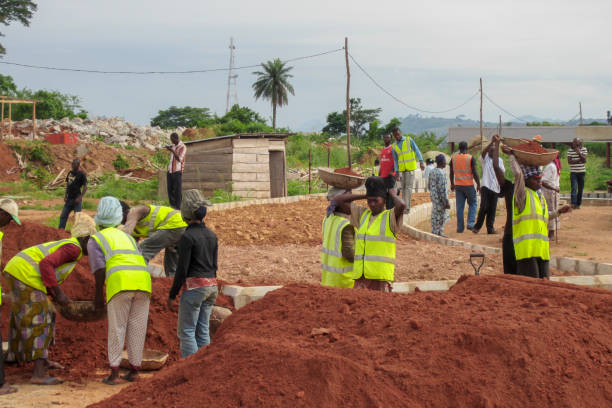
A 4-bedroom duplex is a bigger game. Typically covering 220–300 sqm across two floors, the labour costs jump considerably:
| Work Stage | Estimated Labour Cost |
|---|---|
| Foundation & Columns | ₦600,000 – ₦1,100,000 |
| Block Work (ground & first floor) | ₦900,000 – ₦1,600,000 |
| Roofing & Carpentry | ₦750,000 – ₦1,400,000 |
| Electrical Wiring (full duplex) | ₦600,000 – ₦1,100,000 |
| Plumbing (all bathrooms/kitchen) | ₦500,000 – ₦900,000 |
| Plastering | ₦600,000 – ₦1,100,000 |
| Tiling | ₦700,000 – ₦1,300,000 |
| Painting & Finishing | ₦400,000 – ₦800,000 |
| TOTAL (Labour Only) | ₦5,050,000 – ₦9,300,000 |
These figures are for labour only. They don’t include materials, professional fees, or permits. For a full breakdown of what it actually costs to build, materials and all, check out our detailed guide on the cost to build a bungalow vs a duplex in Nigeria.
If you need a quick building labour cost per square metre in Nigeria 2026, here’s a useful benchmark:
| House Type | Labour Cost per sqm (Estimate) |
|---|---|
| Simple bungalow | ₦18,000 – ₦30,000 per sqm |
| Mid-range duplex | ₦25,000 – ₦40,000 per sqm |
| Luxury / smart home | ₦40,000 – ₦80,000+ per sqm |
These rates cover all labour stages from foundation to finishing. Use them as a quick sanity check when reviewing a contractor’s quote.
On most residential projects in Nigeria, labour typically accounts for 25–35% of the total construction budget. That’s a wide range, and here’s why:
So if your total building budget is ₦30 million, expect to spend roughly ₦7.5–10.5 million on labour alone. That’s not small change.
One of the most common arguments on Nigerian construction sites. Do you pay workers daily or agree on a lump-sum contract per job? Here’s the honest comparison:
| Payment Method | Pros | Cons |
|---|---|---|
| Daily Rate | Flexibility to dismiss underperformers; easy to scale up/down | Workers may slow down to extend the job |
| Lump Sum (Per Job) | Workers are motivated to finish faster; total cost is predictable | Quality may be rushed; harder to adjust scope |
My professional advice: For major structural work like blockwork, roofing, and tiling, go lump sum. For supervision and general labour, daily pay works better. Either way, always have a clearly written agreement before work begins. No gentleman’s agreements on a construction site. I’ve seen too many projects go sideways because of a handshake deal.
These are the sneaky ones. These are the costs that don’t show up in any quote but will 100% show up on your project. Here are the common hidden labour costs in Nigerian construction projects:
If I had to put a number on it, budget an extra 10–15% on top of your labour quotes to cover these hidden costs. Think of it as your construction contingency fund for people costs.
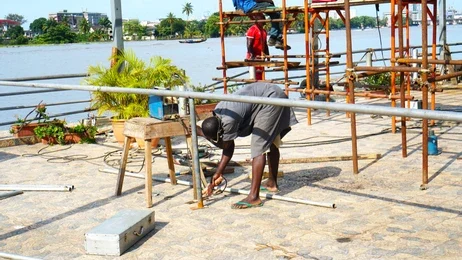
Reducing the labour cost for building a house in Nigeria 2026 doesn’t mean hiring the cheapest person on the street. That strategy usually costs you more in rework and delays. Here’s what actually works:
The best workers in Nigeria don’t advertise. They’re passed around by word of mouth. Ask your architect, project manager, or trusted friends who’ve recently built for recommendations. One good referral is worth ten walk-in interviews.
A BoQ lets you get competitive quotes from multiple contractors for the exact same scope of work. Without it, you’re negotiating blind. At Buildtracka, every project starts with a full BoQ. It’s non-negotiable.
This sounds counterintuitive. But the truth is this: you need to hire someone to save you from unnecessary expenses. A project manager catches inefficiencies, prevents rework, and keeps workers accountable. The fee often pays for itself multiple times over. If you need help finding the right one, Buildtracka Integrated Services can connect you with a vetted professional for your project.
Labour costs inflate badly when a project keeps pausing because of funding gaps. Workers lose momentum, some leave, and you pay to restart with a new crew. Build continuously with a solid cash flow plan even if it means building in phases.
Where the scope is clear like “block 200 sqm of walls to DPC level”, negotiate a lump sum. It’s often cheaper than daily rates for the same output and it motivates workers to finish efficiently.
If you’re building and you’re not on site every day which most people aren’t, you need a site supervisor or foreman. This person is your eyes and ears on the ground. You must ensure that your contractor has someone stationed on your site 24/7 because most times, these contractors handle multiple projects and can’t be in one site all day.
In 2026, a good site supervisor earns between ₦150,000 and ₦300,000 per month, depending on the project size and experience. Some are paid daily between ₦15,000 and ₦35,000 per day.
A good supervisor does three critical things: keeps workers on schedule, prevents material theft, and flags quality issues before they become expensive problems. Don’t skip this role to save money. It’s like skipping the pilot on a flight. You might take off, but nobody wants to find out how that ends.
How much is the daily labour cost for a mason or bricklayer in Nigeria 2026?
Masons earn between ₦8,000 and ₦18,000 per day depending on the city. Lagos and Abuja rates sit on the higher end. Smaller cities tend to be significantly lower.
How much do carpenters, electricians, and plumbers charge per day in Nigeria 2026?
Carpenters: ₦10,000–₦22,000/day. Electricians: ₦12,000–₦25,000/day. Plumbers: ₦10,000–₦22,000/day. Complex or luxury projects attract higher rates across all trades.
What is the difference between skilled and unskilled labour costs in Nigeria?
Skilled tradespeople command 2–3x the daily rate of unskilled labour. Unskilled workers average ₦4,000–₦7,500/day and handle tasks like sand-carrying, mixing, and site cleanup.
Do labour costs vary between Lagos, Abuja, Port Harcourt and other cities?
Yes, significantly. Lagos and Abuja consistently have the highest rates. Port Harcourt follows closely. Secondary cities like Kano, Enugu, or Benin can be 20–40% cheaper for the same skills.
Should I pay workers daily or per job when building in Nigeria?
For defined, measurable tasks like blockwork, roofing, and tiling, lump sum is better. For supervision and general support, daily rates are more practical. Always put the agreement in writing either way.
What are the hidden labour costs when building a house in Nigeria?
Transport, food, overtime, tool hire, public holiday bonuses, and idle time during material delays. Budget at least 10–15% extra on top of your labour quotes to cover these.
How can I budget for labour costs when building a house in Nigeria 2026?
Start with a Bill of Quantities, get at least three quotes per trade, apply the per-sqm benchmarks in this guide as a check, and add 10–15% contingency on top of your labour total.
The labour cost for building a house in Nigeria in 2026 is significant but manageable if only you plan well, hire right, and have someone accountable watching the process every day.
I’ve seen ₦50 million projects finished beautifully and ₦80 million projects abandoned halfway. The difference was almost never the money alone. It was planning, oversight, and the right team around the client.
If you’re currently in the planning stage, or if you’ve already started and things are getting messy, Buildtracka Integrated Services can help. We offer professional construction project management, architect selection, quantity surveying, and site supervision services across Nigeria with our base in Abuja.
You don’t have to figure this out alone. Building a house is one of the biggest investments of your life. Treat it like one.
📞 Ready to get your project under control? Reach out to Buildtracka Integrated Services today. Let’s build it once and build right the first time.
Also read: For a complete step-by-step guide on the entire construction process from land to keys, check out our post on How to Build a House in Nigeria.
About the Author: This article was written by a professional project manager with extensive experience managing residential and commercial construction projects across Nigeria. He is the founder of Buildtracka Integrated Services, a construction project management firm in Abuja that helps individuals and organizations build smarter with the right architect, the right team, and the right budget. Need help managing your next building project or selecting a qualified architect? Get in touch with Buildtracka today.

Am very wonderful about your write -up and update on construction industry
Thank you very much Bldr Adebayor. Our mission is to make sure we simplify construction education for all. kind send us an email if you need help or clarity on anything construction related.
[…] Labour Cost for Building a House in Nigeria (2026): Trade-by-Trade Rates for Lagos, Abuja & Beyo… […]