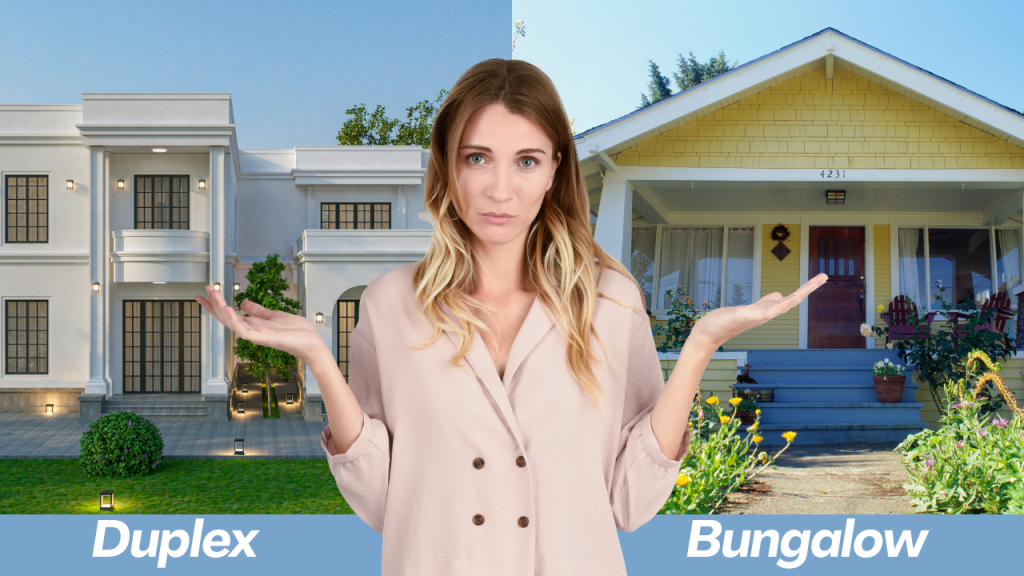
Bungalow or duplex? Getting this wrong can cost you ₦10M–₦30M more than you planned. This 2026 guide gives you costs, trade-offs and a plain verdict for your exact situation.
Build a bungalow if your budget is under ₦35M, your plot is under 450 sqm, you have elderly family members, or you want a fast, lower-risk build.
Build a duplex if your budget covers ₦45M–₦90M+, you want rental income from a top flat, or you’re building for long-term investment. Duplex costs in Nigeria in 2026 range from ₦50M to ₦150M+ depending on size, location and finishing level.
Neither is universally better. The right answer depends on your budget, plot, family and goals, all of which this guide covers.
Should I build a bungalow or duplex in Nigeria? That single question has thrown several homeowners into a state of confusion than almost anything else in the building process.
In 2026, with cement above ₦10,000 per bag across most states, iron rods moving with every naira swing, and labour costs climbing in both Lagos and Abuja, getting this decision wrong isn’t just inconvenient. It can cost you ₦10 million to ₦30 million more than you planned or leave you with a structure that doesn’t serve your family’s actual needs for the next 30 years.
I’ve supervised residential projects across Abuja, Owerri and several other states. I’ll tell you plainly: there is no universally correct answer. But there is a right answer for your specific situation and by the end of this guide, you’ll know what it is.
This is always the first question and it’s the right one to start with.
| House Type | Entry-Level | Mid-Range | Premium Finish |
|---|---|---|---|
| 3-Bed Bungalow | ₦18M – ₦25M | ₦28M – ₦40M | ₦45M+ |
| 4-Bed Duplex | ₦40M – ₦60M | ₦65M – ₦85M | ₦90M – ₦150M+ |
| 4-Bed Semi-Detached | ₦35M – ₦55M | ₦60M – ₦75M | ₦80M+ |
2026 figures based on current material and labour rates in Lagos and Abuja. Costs vary by state, finishing grade and contractor.
Is a duplex twice as expensive as a bungalow? Not always. It’s typically 60–120% more expensive. Not double. It all depends on design, location and who you hire.
See the full cost breakdown for bungalow vs duplex in Nigeria 2026: Cost of Building a Bungalow vs Duplex in Nigeria (2026)
On a 300–450 sqm plot, a bungalow is almost always the smarter call. You get breathing room, garden, parking, setbacks, without cramming your structure to the boundary.
On a 600 sqm plot or larger, a duplex becomes viable. You have ground coverage to build wide and maintain a proper compound.
Key question to ask yourself: do you need every square metre of floor space, or do you value outdoor living space?
A duplex stacks vertically. A bungalow spreads horizontally. Same plot, completely different experience.
A 3-bedroom bungalow is significantly cheaper. Here’s why structurally:
If you’re self-funding in tranches, a bungalow gives you far more financial control. You don’t want to hit lintel level on a duplex and find the budget is exhausted.
For first-time builders in Nigeria, this alone is reason enough to start with a bungalow.
This is where the duplex earns its premium if the location supports it.
A self-contained top flat in Lagos or Abuja currently yields ₦600,000 – ₦1,800,000 per year depending on location and finishing. In Lekki Phase 1, Ajah, Wuse 2 or Gwarimpa, that number can go higher.
Many Nigerian homeowners build specifically to live downstairs and rent the top flat. It’s a legitimate strategy that gradually offsets construction costs.
Can you rent out part of a duplex profitably in Nigeria? Yes, and thousands do. But the rental yield only works if the duplex is properly finished. A poorly finished top flat attracts poor-quality tenants and low rents, which defeats the purpose entirely.
Duplexes command higher resale prices in urban Nigerian markets because it has more rooms, more floors, stronger investment appeal.
But the caveat nobody mentions is that a badly finished duplex will resell for less than a beautifully finished bungalow. Finishing quality matters more than building type when a buyer is standing in your compound.
| Resale Factor | Bungalow | Duplex |
|---|---|---|
| Price per sqm | Lower | Higher |
| Buyer pool | Wider | Narrower |
| Investment appeal | Moderate | High |
| Time to sell | Faster | Slower (premium market) |
| Risk of overpricing | Low | Higher |
If you’re building for investment and can fund quality finishing, a duplex is the better long-term asset. If you just want a home that holds value and sells without drama, a well-built bungalow in a good location does that perfectly.
For a family of 5, both can work. What determines the right choice:
Typical timelines for properly funded, supervised builds in Nigeria (2026):
Without consistent funding and proper site supervision, both can stretch to years. This is particularly critical for Nigerians in the diaspora building remotely as timeline slippage is the number one complaint.
This is exactly the problem Buildtracka was built to solve. As a construction project management firm, we provide on-site supervision, milestone verification and real-time reporting for clients building in Nigeria from the UK, US, Canada and elsewhere. Your money is protected. Your timeline is enforced.
Fewer floors means fewer problems and lower ongoing costs:
If you want low-stress homeownership, a bungalow wins this category without contest.
People debate this endlessly. The truth: security in Nigeria depends on your perimeter fence, your gate, your security staff and your CCTV not whether you built one storey or two. Don’t let security concerns tip a decision that should be driven by budget and family needs.
This question comes mostly from diaspora Nigerians worried about perception.
Let me be direct: a well-designed modern bungalow is not outdated. The open-plan, flat-roof, large-glazing bungalows being built in Lagos today look nothing like the boxy, low-ceiling structures of the 1990s. Contemporary Nigerian bungalow design in 2026 is architecturally competitive and sometimes more striking than a mediocre duplex.
The problem has never been the house type. It’s always been the design and finishing.
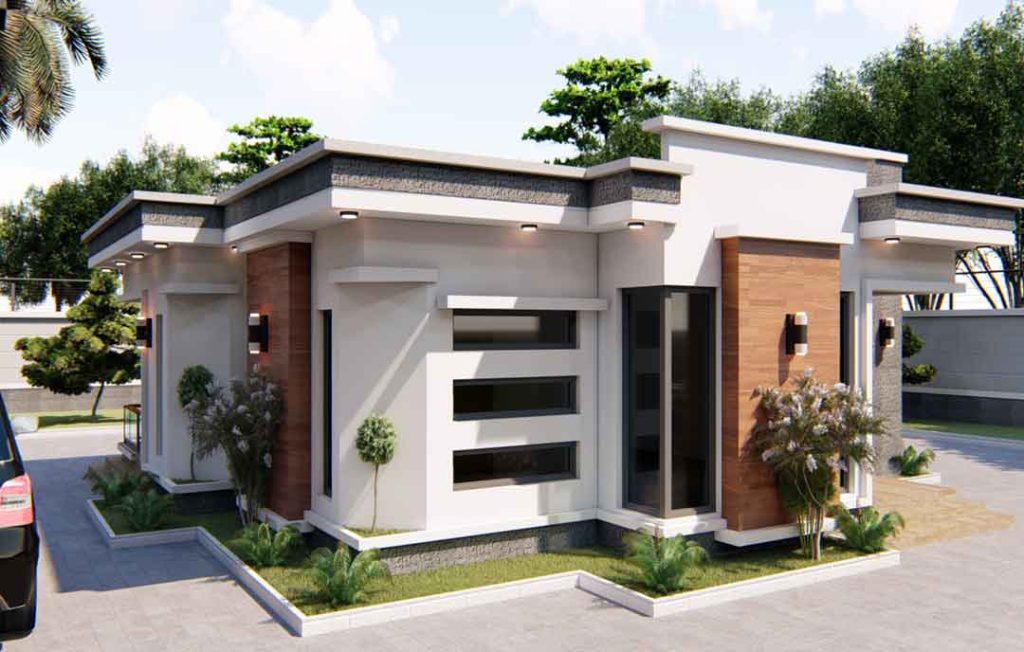
600 sqm comfortably fits either. Here’s how to decide:
Before you design anything, confirm your approved setback requirements either through LASPPPA in Lagos or your state’s urban planning authority. Setback violations get structures marked for demolition. That is not a recoverable situation.
How to Get a Building Permit in Lagos — LASPPPA Step-by-Step Guide
Architect Fees in Nigeria: What You Should Actually Pay in 2026
Answer these seven questions honestly:
| Your Situation | Points to Bungalow | Points to Duplex |
|---|---|---|
| Budget under ₦35M? | Yes | Risky |
| Plot under 450 sqm? | Better fit | Tight |
| Elderly family members at home? | Ideal | Safety risk |
| Need rental income? | Limited | Strong |
| Building for long-term investment? | Moderate | Better |
| Building remotely or need fast completion? | Faster | Longer |
| Want low maintenance long-term? | Yes | More work |
Tally your columns. The one with more checkmarks wins for your situation. If it’s close, your budget is the tiebreaker.
Whether you’re building a bungalow or duplex, the architect and contractor you choose will define the outcome more than the house type.
Architect fees in Nigeria in 2026 range from ₦150,000 for a standard plan purchase to 6–8% of total project cost for full architectural and supervisory engagement.
Architect Fees in Nigeria: Full 2026 Guide With Real Examples
If you’re not on-site daily, you need a professional project manager who is. That’s the gap Buildtracka fills particularly for diaspora Nigerians who cannot afford to leave a contractor unsupervised for months at a time.
How to Build a House Step by Step in Nigeria (Complete 2026 Guide)
If your plot is under 400 sqm, a bungalow or compact semi-detached is the practical choice. A duplex on a tight plot almost always involves setback violations or a structure that feels uncomfortably cramped.
Both are workable. Choose a bungalow if you have elderly parents or children under 10. Choose a duplex if you need the room count and can fund quality finishing.
Yes. A duplex is in high demand in urban areas like Lagos and Abuja. But only if you complete it to a finish level that justifies rental or resale pricing. An incomplete or poorly finished duplex is a liability, not an asset.
Duplexes resell higher in most urban markets. But finishing quality consistently outweighs building type in actual buyer negotiations. A stunning bungalow beats a rough-finished duplex every time.
Bungalow without hesitation. Stairs present a real and serious injury risk for elderly people. This is not a preference question; it’s a safety question.
A funded, supervised 3-bed bungalow takes 6–10 months. A 4-bed duplex takes 12–18 months. Unfunded or unsupervised builds of either type can run 3–5 years.
No. It’s typically 60–120% more expensive, not double. The variables are design complexity, location, and finishing level.
Yes. This is a common and effective strategy. Lagos top-flat rentals yield ₦600K–₦1.8M annually in 2026, depending on location and finishing quality.
Build a bungalow if:
Build a duplex if:
The one thing that destroys both options? Building without proper supervision. A duplex half-built is ₦40M sitting in the rain. A bungalow with shoddy contractors costs double to fix.
That’s what Buildtracka exists for. We offer professional construction project management and on-site supervision for Nigerian homeowners, especially those building from the UK, US, Canada, and beyond. We protect your investment, keep your contractor accountable, and give you verified progress reports at every milestone.
Ready to start your bungalow or duplex project in Nigeria? Contact Buildtracka for a free consultation via buildtracka@gmail.com. We supervise your build so you don’t have to guess from thousands of kilometres away.
Written by Godswill Essien. A certified construction project manager and founder of Buildtracka Integrated Services. Nigeria’s trusted construction project management and supervision firm for homeowners building locally and from the diaspora.